As featured in Waterline Winter 2024-25
Are Anti-Legionella Valves the Solution for Biofilm Control in Water System Expansion and Pressure vessels?
By Matthew Gray, BSc (Hons), CIPHE, MWSoc (Snr), FRSPH,
Assisting engineers Sebico Gray BA(Hons) MRSPH MWSoc, Daniel Leyland – Sweetbriar Ltd
Introduction
Biofilm accumulation and the associated legionella colonisation in water systems are a major public health concern, especially in components of water systems like expansion vessels. These can become reservoirs for microbial growth, especially due to the microscopic structure of the (EPDM) membrane, limited water flow and other contributing factors such as poor temperature control and poor flushing regimes. Since the inclusion of expansion vessels in HSG274 part 2, the industry has turned to flow-enhancing “anti-legionella” valves as a possible solution to reduce biofilm and bacterial growth in these vessels. These valves aim to improve water circulation and flow, which should, in theory, prevent or reduce stagnation and inhibit biofilm formation. However, recent findings suggest that these valves may not provide the level of protection needed for reliable biofilm and bacterial control and perhaps should not be referred to as “ anti – legionella “ but more flow – enhancers” with limitations.

The Small Study and Review Carried out by Sweetbriar Ltd
This investigation included 50 expansion/pressure vessels installed on cold water supplies to water heaters and cold-water booster set systems at various sites across the UK, representing a range of water quality conditions. Of these, 15 vessels were equipped with anti-legionella valves, while 35 vessels were unaltered and had either no flushing points or had a standard lever valve and drain off. We aimed to examine whether the valves could effectively control biofilm buildup and bacterial colonisation or whether there was any noticeable difference between the vessels with the valves and the vessels without the valves installed.

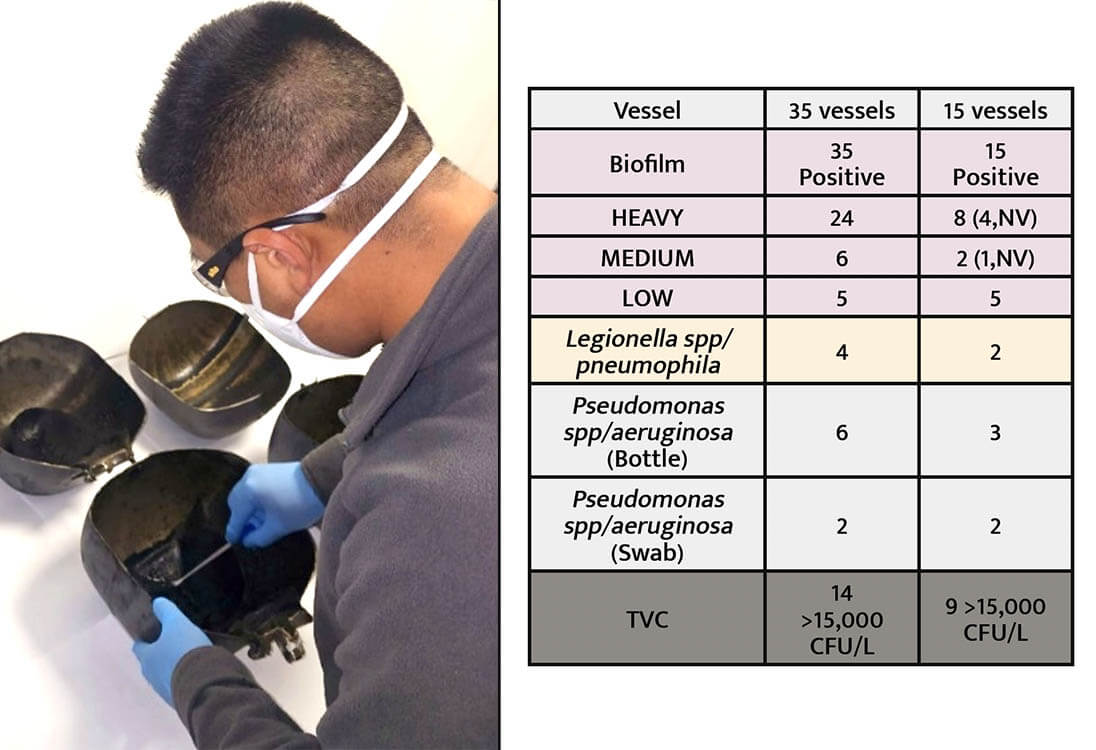
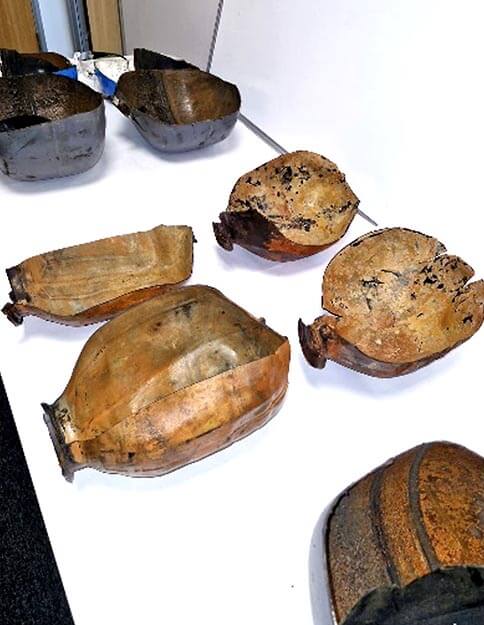
Onsite sampling and inspection were carried out along with further studies and testing back at the workshop. After removal from the water system, each vessel was immediately sealed in an airtight, secured container to minimise environmental contamination and preserve existing biofilm and microbial conditions during transport. Upon arrival at our workshop the vessels underwent controlled dissection and examination. Each vessel was dissected to separate both the shell and membrane, and swabs from membranes were analysed for Pseudomonas spp. and P. aeruginosa), Legionella spp. and L. pneumophila and total viable counts (TVC), providing an insight into microbial presence. Notably all 15 anti-legionella valves had been installed by other companies within a period of three years or less, ensuring that they had not been compromised by wear and tear. Expansion vessels were newly installed with the valves in 9 of the 15 locations. Of the 50 vessels, when dissected, biofilm was visible on every single membrane at varying levels of thickness. Five vessels (non-valved) had membranes that had been compromised (all bladders were split) and therefore were disregarded after swabbing.
Temperature Considerations
The sampled vessels had all been operating on cold water supplies under 20°C (according to the associated log-books) and were at temperatures below 20°C at the time of sampling, a range less favourable for microbial growth, yet biofilm and bacteria were still present. This persistence indicates that temperature alone is not the determining factor; other factors, such as water quality and flow velocity, also play crucial roles in biofilm management especially in these types of vessels.
Bacterial Presence in the Sampled Vessels
NV = new vessel
9 vessels in total tested positive for Pseudomonas aeruginosa or species – sampled bottle
4 vessels tested positive for
Pseudomonas aeruginosa or species – swab
4 vessels tested positive for Legionella species
2 were specifically identified as Legionella pneumophila serogroups 2-14.
23 vessels identified TVC readings from 880 CFU/L to 15,000 CFU/L (18 at 37°C)
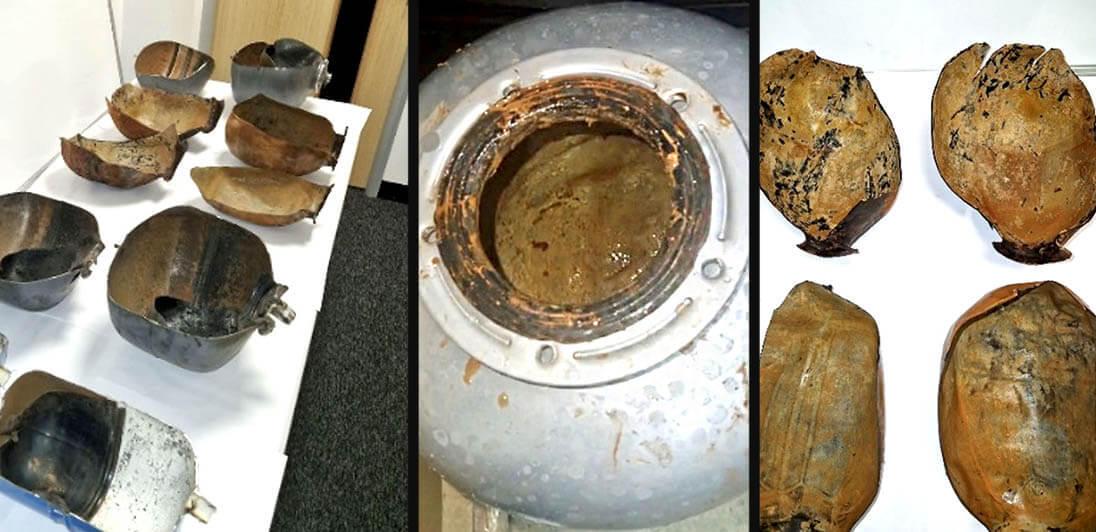
Biofilm was Identified in all vessels at varying degrees
Interestingly, 2 vessels with anti-legionella valves were positive for Legionella spp (non pneumophila), and 5 for Pseudomonas (swab-Bottle), showing no significant difference in microbial presence between vessels with and the vessels without these valves installed. There were 3 other positive legionella samples however these were omitted because it was likely to be a colonisation issue with the water system (or area of system) i.e. upstream positive samples had been identified, as opposed to a localised issue at the vessels. Visual inspections of biofilm showed similar coverage, texture, and consistency across both groups, suggesting minimal impact of the valves on biofilm characteristics in these settings.
It was also noted that the majority of the heavy biofilms were detected on vessels that were installed on booster set pumps.
Rethinking the “Anti-Legionella” Label
The term “anti-legionella” suggests a higher level of control and protection than these valves might actually provide. Our study shows that while the valves help redirect water flow into the vessel, this motion alone is insufficient to disrupt biofilm or remove bacteria from surfaces. Simply installing these valves does not guarantee that a system component will be free from legionella or other biofilm-forming bacteria.
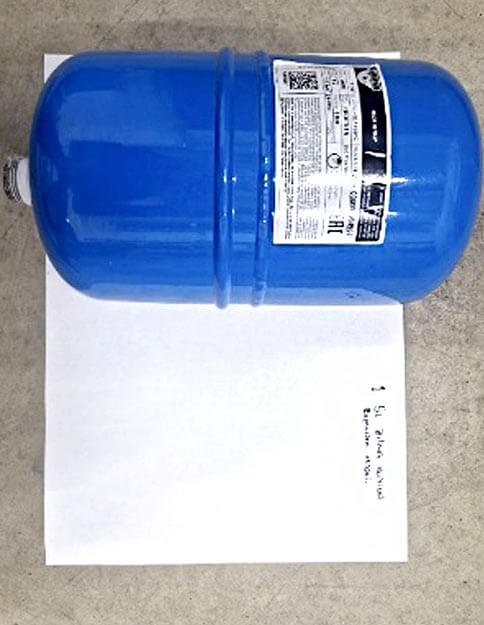
Expansion Vessel with anti-legionella valve failed for Legionella spp. (nonpneumophila) 7500 CFU/1000 mL
By labelling them as “anti-legionella,” there is a risk of fostering a false sense of security among facility managers, installers and system operators. Our findings suggest that without sufficiently high flow velocities throughout the whole vessel and direction of water flow, these valves alone cannot be relied upon to ensure a 100% protected vessel. Even with a high velocity of water this would still not prevent legionella bacteria proliferation as it’s dependent on so many other factors. As a result, duty holders, system operators, facilities managers and all industry professionals should view anti-legionella valves as one minimal part of a comprehensive water management strategy rather than a standalone solution.
Installation Insights
For visual observation, the valves were installed on clear vessels at our workshop, which allowed us to track water flow patterns using a tracing dye and a very low-density particulate. The water was partially redirected as expected into the vessel, but only a filling motion was visible, with no substantial vigorous flow through the vessel itself. There was a concern initially with the discharge force of the water out of the vessel and therefore various amendments were made to check timings on replenishment of the water in the vessels. Although some replenishment was observed it was dictated by the usage time of the outlet and the size of the vessel. As an example, the smaller of the vessels (0.5 L) took approx. 25 min to replenish which brings doubt into the anti–legionella properties of these valves in real world settings. Given that biofilm removal and prevention require strong, consistent flow along with other preventative factors, this minimal motion casts doubt on the valve’s ability to prevent biofilm accumulation effectively. It’s assumed that the surface structure of the plastic containers would be a lot less challenging to remove a biofilm from, due to having a less porous surface than the EPDM membrane.
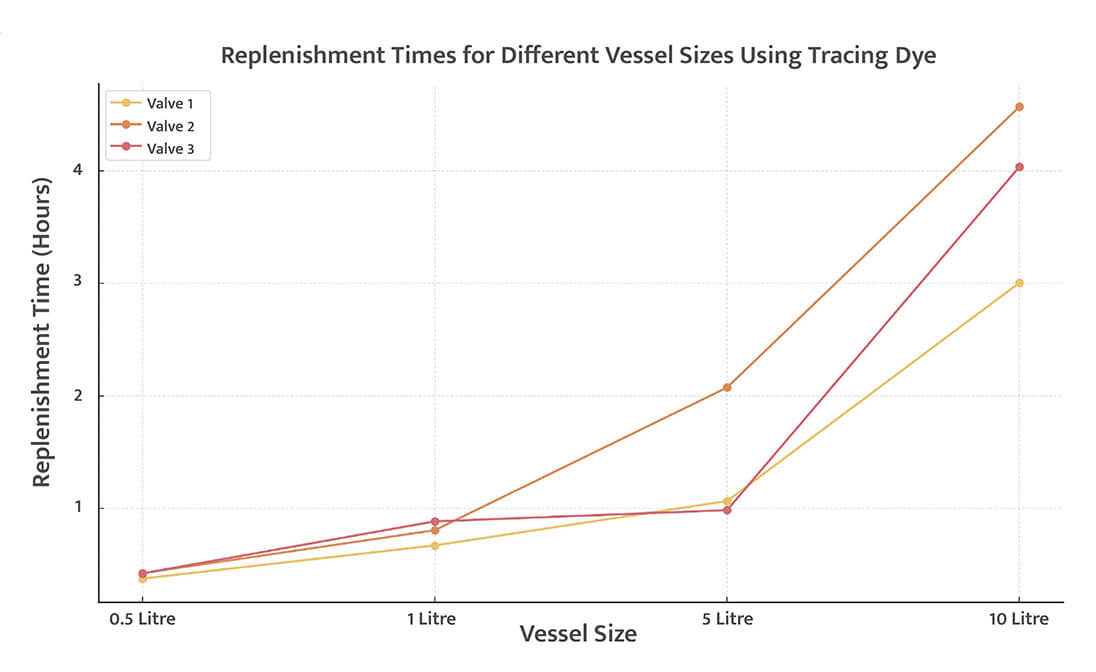
Graph 1
Simulating Biofilm and Surface Material Changes (workshop testing)
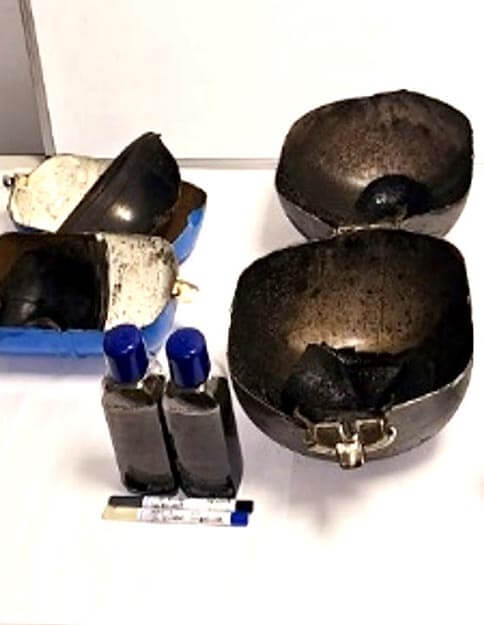
To replicate biofilm conditions, we applied various biofilm-mimicking solutions (including tryptic soy broth) to the inner surfaces of clear containers fitted with anti-legionella valves installed at our testing workshop. Although some biofilm was cleared during flow testing, it wasn’t enough to remove biofilm entirely and very much depended on the location of the valve and vessel on the install and an extreme flow rate and usage time (see graph 1). A subsequent test using a softer, rubberized plastic material (intended to increase biofilm adherence) yielded similar results. These observations indicate that the valves’ current flow rate cannot clear biofilm deposits as its unlikely the use of the outlet (to enable the flow through the system) wouldn’t be as excessive as the recirculation in testing. This reinforces that mild flowenhancement alone may not sufficiently protect the vessel against microbial colonisation.
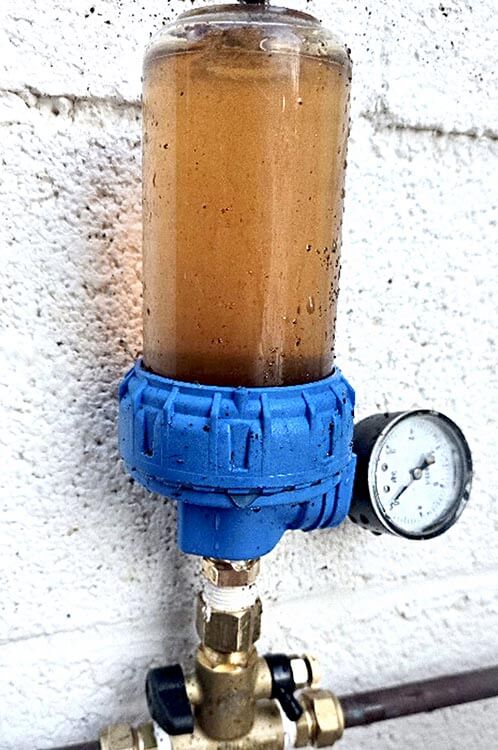
Evaluating the Cleaning Efficiency of Anti-Legionella Valves (with vessels in situ)
In response to findings that current anti-legionella valves do not fully prevent biofilm formation over a period of time, we conducted additional tests to assess whether these valves possess any cleaning properties based on flow rates. Specifically, we evaluated whether the valves could actively help remove and reduce biofilm accumulation when attached to fouled vessels in a controlled testing environment.
Methodology
Using our booster set testing rig, we connected an additional selection of biofilm-contaminated vessels removed from the various sites to anti-legionella valves of various designs. This setup allowed us to observe each valve’s ability to disrupt and potentially cleanse a biofilm under repeated water circulation cycles excessive to everyday flow rates.
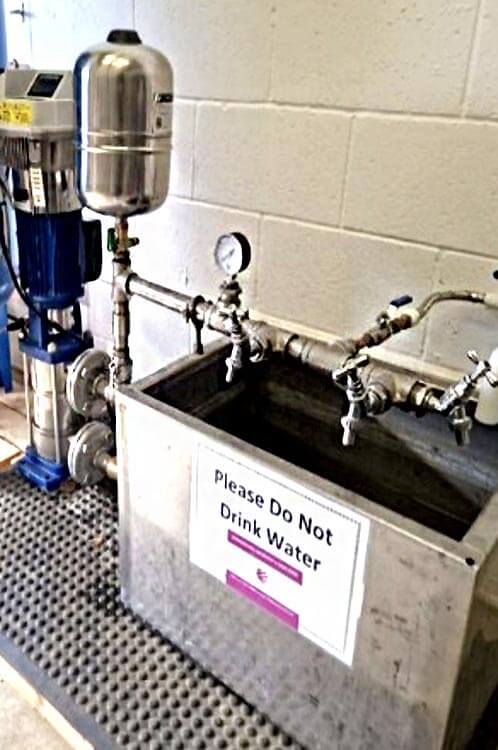
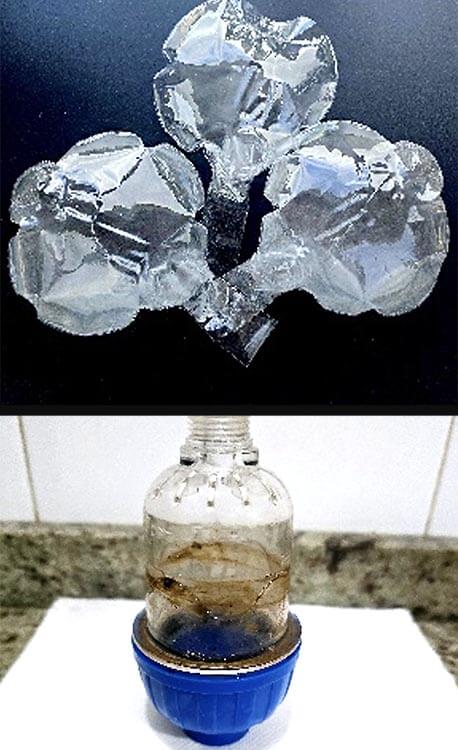
Start biofilm flush
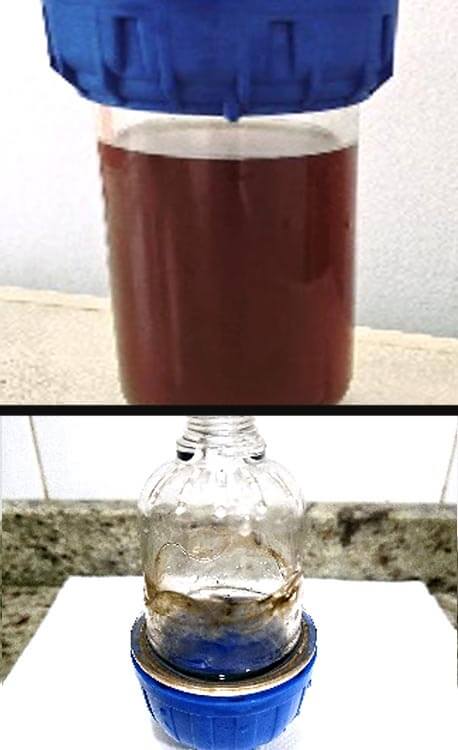
After flush
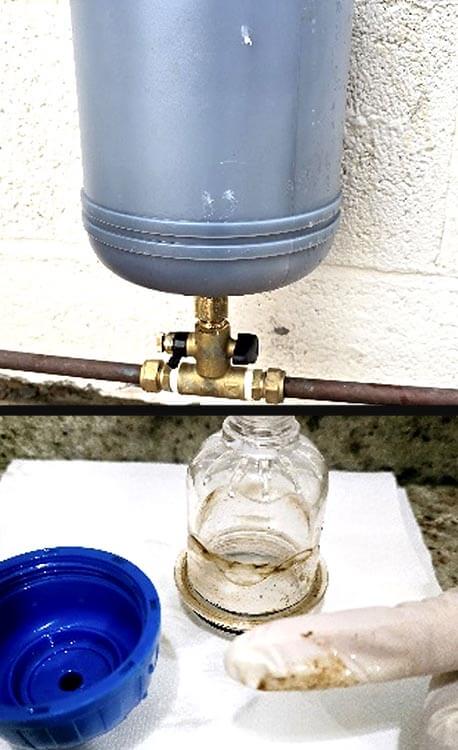
Biofilm consistency
Testing Procedure
Each fouled vessel was connected to an anti-legionella valve and installed on the booster set rig. Water was circulated at hourly intervals, simulating flow conditions excessive to standard water systems. Observations and measurements were taken before and after each cycle to assess any reduction in biofilm or bacterial presence on the vessels’ internal surfaces. Low dose sodium hypochlorite was maintained at 0.5 mg/L to replicate real world settings in terms of water utility supplier biocide concentrations.
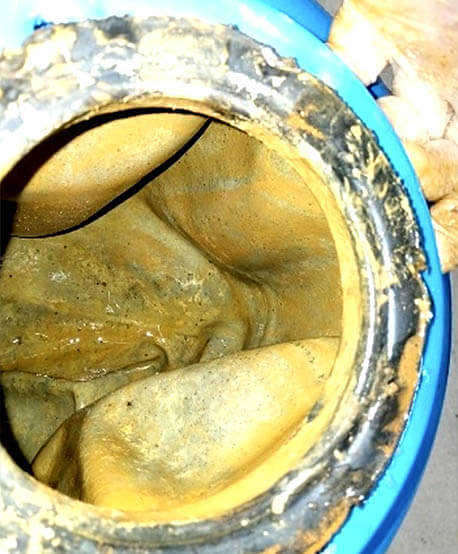
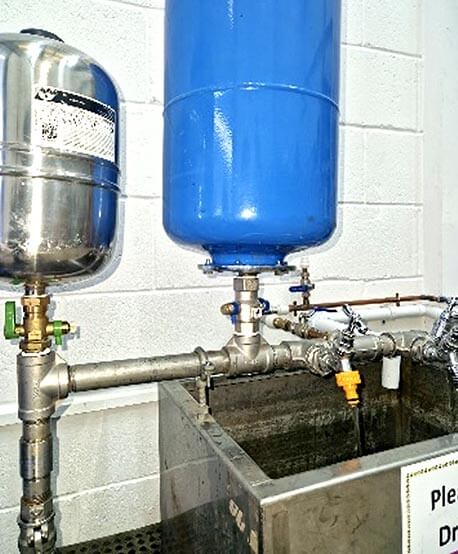
Across all three valve manufacturers tested, no significant biofilm cleansing was observed within the vessels after multiple hourly cycles. The redirected flow created by the valves, though present to a point, did not produce the necessary force or water velocity to disrupt the biofilm adhered to the surfaces. These findings reinforce the limitations of anti-legionella valves for biofilm management especially if installed on existing vessels. While the valves successfully redirect water into the vessels, this passive flow alone is insufficient to remove or significantly reduce biofilm especially on vessels fitted in systems that have moderate to low flow in terms of water use. Another consideration that can impact or hinder the function is the pre-charge pressure of the vessel which was noticeable throughout this part of the investigation.
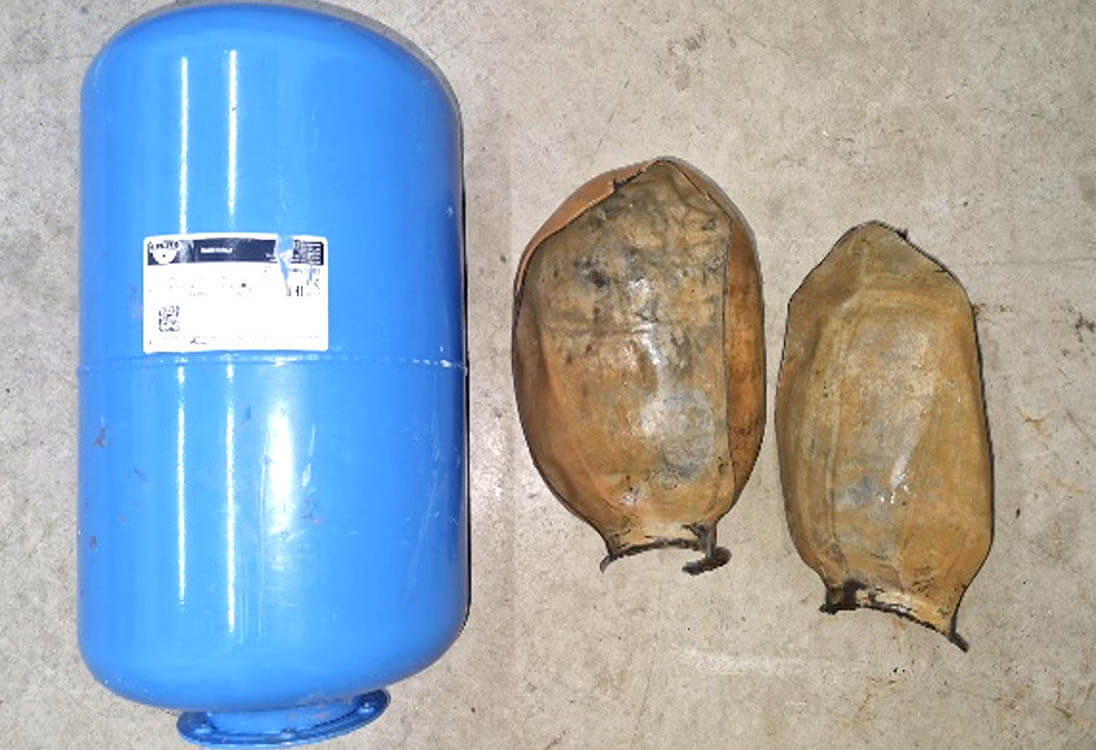
Industry Challenge: Improper Installation of Expansion Vessels
One critical challenge in the industry is the improper installation of expansion and pressure vessels, which can significantly impact water flow. Many vessels are installed in orientations for which they are not designed, including upside down or on their side, even when not specifically engineered for horizontal placement. These improper installations can result in uneven water distribution, reduced flow rates, and areas of stagnant water in longer pipe runs that encourage biofilm buildup. This lack of adherence to installation guidelines can diminish the intended effectiveness of anti-legionella valves, limiting their ability to improve circulation, flow and potentially compounding biofilm and bacterial issues.
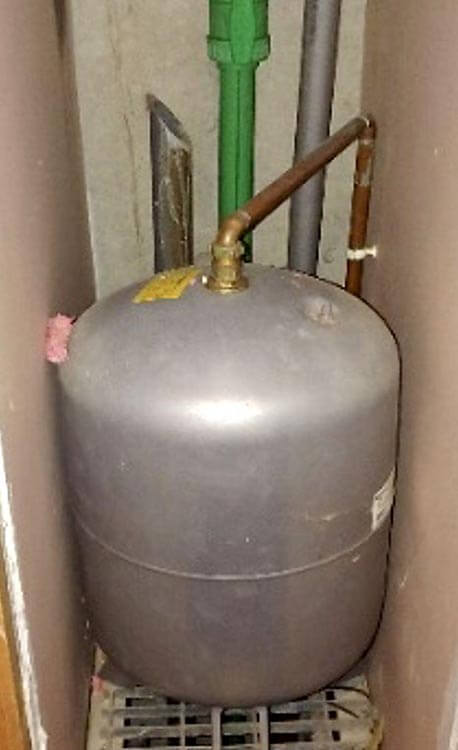
Discussion: Valves Alone Are Not Enough
This study suggests that while antilegionella valves can help to redirect some water flow into the vessels (which in a way is helpful and better than nothing), they do not offer substantial biofilm control or prevent bacterial colonisation or offer any cleaning process for existing vessels, unless debris is very loose on the membrane surface. In most cases, biofilm management requires higher flow velocities and several other preventative measures than just the use of these valves can provide. Additionally, aging EPDM membranes, deteriorated vessels, location of install of the valve and vessel on the system, pre-charge pressure, water makeup, duration of outlet use and all the other real-life factors in legionella control may further reduce the valve’s effectiveness (to be anti-legionella), complicating biofilm management in real-world settings.
All persons involved in water management should be cautious about viewing anti-legionella valves as standalone protective devices for the vessels. These valves may give an impression of enhanced safety; however, they should be part of a broader maintenance and monitoring approach, which includes regular inspection, cleaning/flushing, renewal of membranes and possible upgrades to vessel designs or materials.
Conclusion
While anti-legionella valves can help reduce water stagnation partially (if installed in a certain configuration) and the usage of the associated outlets is very high, this study indicates that they do not provide comprehensive biofilm control and “anti-legionella” should be regarded as a marketing name as opposed to a validated claim of being “anti-legionella”. “Flow-enhancers” may be a more suitable option for labelling as some manufacturers have correctly stated. These findings suggest that without complementary strategies, anti-legionella valves cannot assure protection against biofilm and bacterial presence in real world settings. For system operators and installers, this observational research emphasises the need for balanced biofilm management that includes preventive measures, favourable installation locations, consistent maintenance, and regular system evaluations. They are handy to isolate the vessel, but the sample point drain off is not sufficient enough in terms of diameter. To aid the flushing process – a larger diameter drain-off on the design (sample point) for flushing purposes should be considered. There is also some consideration required on whether the plastic scoops on the valves themselves could restrict the expansion process in terms of the requirements of G3* of the building regulations, further testing and investigation would be required in a different context to this investigation. Some of the manufacturers have installed a lock-type mechanism on the lever valve which is a good addition to prevent tampering with and accidently leaving the vessel turned off. If these valves are installed in a water system, a new vessel should also be installed at the same time and additional consideration to the locations should be advised on the installation instructions. We estimate that biofilm growth in certain conditions may slow down when a new vessel is installed with one of these valves but the science of water in real world settings dictates the vessels will eventually become victims of biofilm colonisation with or without these valves.
*Approved Document G addresses sanitation, hot water safety and water efficiency. G3 focuses on the requirements for hot water supply and systems, ensuring they are designed, constructed, and installed to prevent scalding and other hazards.
References
1. British Standards Institution. BS 7592:2022 – Code of Practice for the Inspection and Maintenance of Water Systems. BSI Standards Publication, 2022.
2. HSE (Health and Safety Executive). Legionnaires’ Disease: Technical Guidance (HSG274), Part 2: The Control of Legionella Bacteria in Hot and Cold Water Systems. HSE Books, 2014.
3. Gray, M. Research into the Proliferation of Legionella Bacteria in Water Booster Pumps.
4. Hutchins,CF, Moore,G. Webb,J. Walker, JT, Investigating alternative materials to EPDM for automatic taps in the context of Pseudomonas aeruginosa and biofilm control
5. Statutory guidance – Sanitation, hot water safety and water efficiency: Approved Document G.
https://www.gov.uk/government/publications/sanitation-hot-watersafety-and-water-efficiency-approveddocument-gK
This version clarifies the valve’s limitations, helping readers understand that “anti-legionella valves” should be part of a larger strategy rather than a complete solution to biofilm and bacterial management in expansion vessels and pressure vessels.
Additional photos
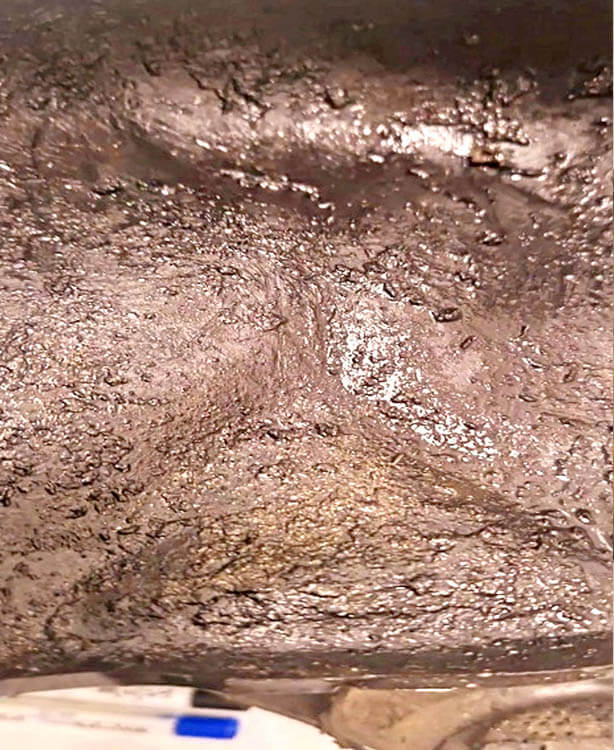
Deteriorated membrane
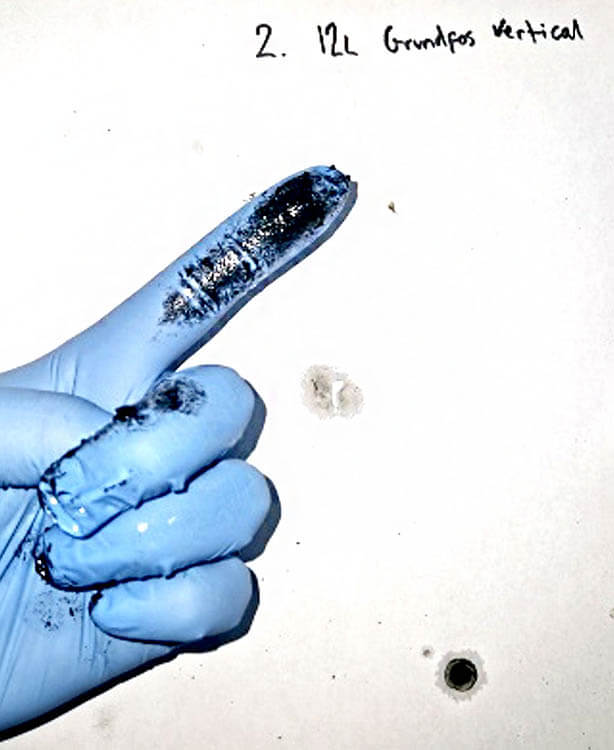
Results of a deteriorated membrane
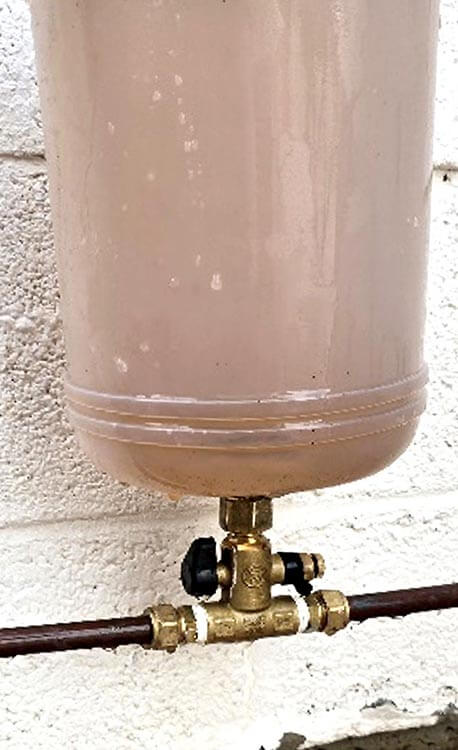
Clear vessel on test
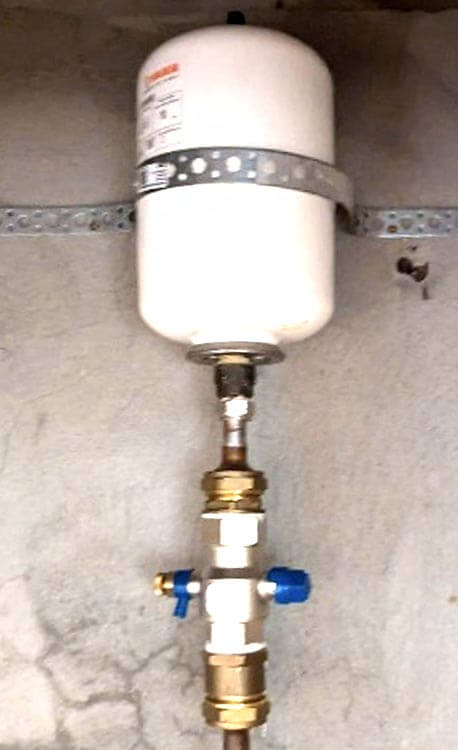
No flow through this valve

Particulate tracing pattern
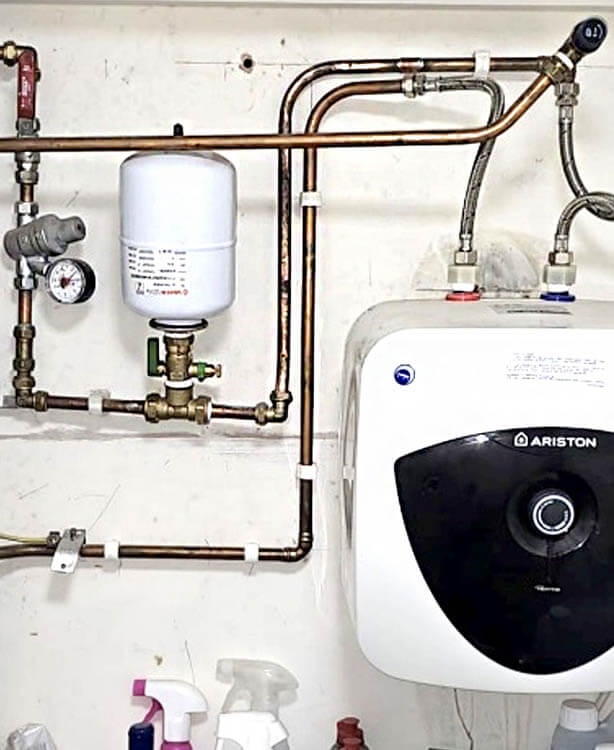
Installation using one of the valves
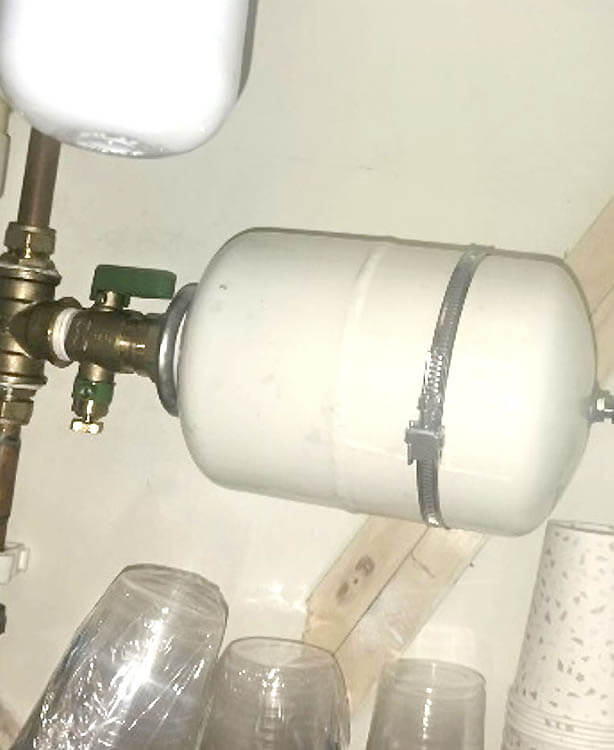
Side installation of vessel, not recommended