As featured in Waterline Summer 2024
Are we ready to move away from temperature control?
By Dr Yolla McCoy – Technical Director at Feedwater
& Eleanor Crabtree – Edge Hill University
Introduction
Legionella, a genus of bacteria found naturally in freshwater environments, poses a significant health risk when it proliferates in man-made water systems, including domestic hot and cold-water systems.
For decades, the primary method of controlling Legionella growth in domestic systems has been through temperature control, which involves maintaining water temperatures above 50°C in hot water systems and below 20°C in cold water systems to inhibit bacterial growth. However, this approach is not without its challenges
The energy-intensive nature of temperature control methods, exacerbated by rising energy costs and the imperative to transition towards sustainable, energyefficient technologies, prompts a reassessment of Legionella control strategies. In addition, the emergence of Net Zero technologies, such as air source heat pumps, which operate at lower temperatures, necessitates a reconsideration of traditional Legionella control methods.
This study seeks to evaluate the readiness of stakeholders to adopt alternative methods for Legionella control in domestic water systems, particularly those that replace rather than complement temperature control strategies. Biocides, particularly those that are approved to treat drinking water, offer a potential alternative to temperature control methods for mitigating Legionella growth. The research investigates stakeholders’ willingness to utilise biocides to control Legionella proliferation while reducing hot water temperatures to below 50°C.
By examining stakeholders’ attitudes, perceptions, and readiness to embrace alternative Legionella control strategies, this study aims to provide insights into the feasibility and acceptability of using biocides instead of temperature control measures. Understanding stakeholders’ perspectives is crucial for informing policy decisions, guiding technological developments and promoting the adoption of innovative approaches to mitigate the risk of Legionella proliferation in domestic water systems. Ultimately, this research contributes to the advancement of sustainable and effective strategies for safeguarding public health while minimising energy consumption and environmental impact.
Background to the research
The control of Legionella growth in domestic water systems has long been a critical concern for public health. Traditionally, temperature control has been the primary method employed to mitigate the proliferation of Legionella bacteria. However, recent field observations indicate a notable increase towards the use of biocides as an additional measure alongside temperature control. What was apparent from an initial brief survey is the very limited applications where biocide treatment replaced temperature control methods.
This trend prompted a closer examination and raised the need to research the possibility, acceptability and regulatory implications of using biocide treatment as an alternative to temperature control strategies.
As a starting point there is a need to clarify the compliance of moving to biocide control strategies:
The Health and Safety Executive (HSE) provides practical guidance on Legionella control in various settings, notably through the Health and Safety Guidance HSG274, 2014. This guidance outlines key considerations for duty holders to fulfil their legal obligations and effectively manage Legionella risks. Notably, HSG274, 2014 acknowledges the potential effectiveness of reducing hot water temperatures in nonhealthcare settings when coupled with biocide treatment. This approach, however, necessitates vigilant monitoring of the control system to mitigate any vulnerabilities that may arise from temperature adjustments.
Three main points from HSG274, 2014 are particularly relevant to this study (HSG274, part 2, 2014):
1. Replacing temperature control with biocide treatment is mentioned in the above guidance, however, rigorous monitoring is needed to ensure the continued effectiveness of Legionella control.
2. Any adjustments to temperature should be gradual and contingent upon confirming the efficacy against Legionella, with ongoing monitoring of both Legionella levels and the biocide used.
3. The frequency of testing required varies based on thesystem and chosen treatment method, emphasising the importance of tailored monitoring protocols.
Additional regulations might also apply to maintain the wholesomeness of the treated water if this is used for domestic and drinking purposes. This in turn highlights the multifaceted considerations that must be taken when implementing a new Legionella control method.
It is also crucial to note at this stage that the guidance provided by HSG274, 2014 is specific to non-healthcare settings. In contrast, healthcare settings governed by HTM04-01 prohibit reducing hot water temperatures and as a result these settings were excluded from this research.
The importance of addressing temperature control
One might ask what is the importance of considering alternatives to temperature control especially that the application has been effective in controlling Legionella growth in domestic systems for decades.
In order to answer the above, we examined three primary points:
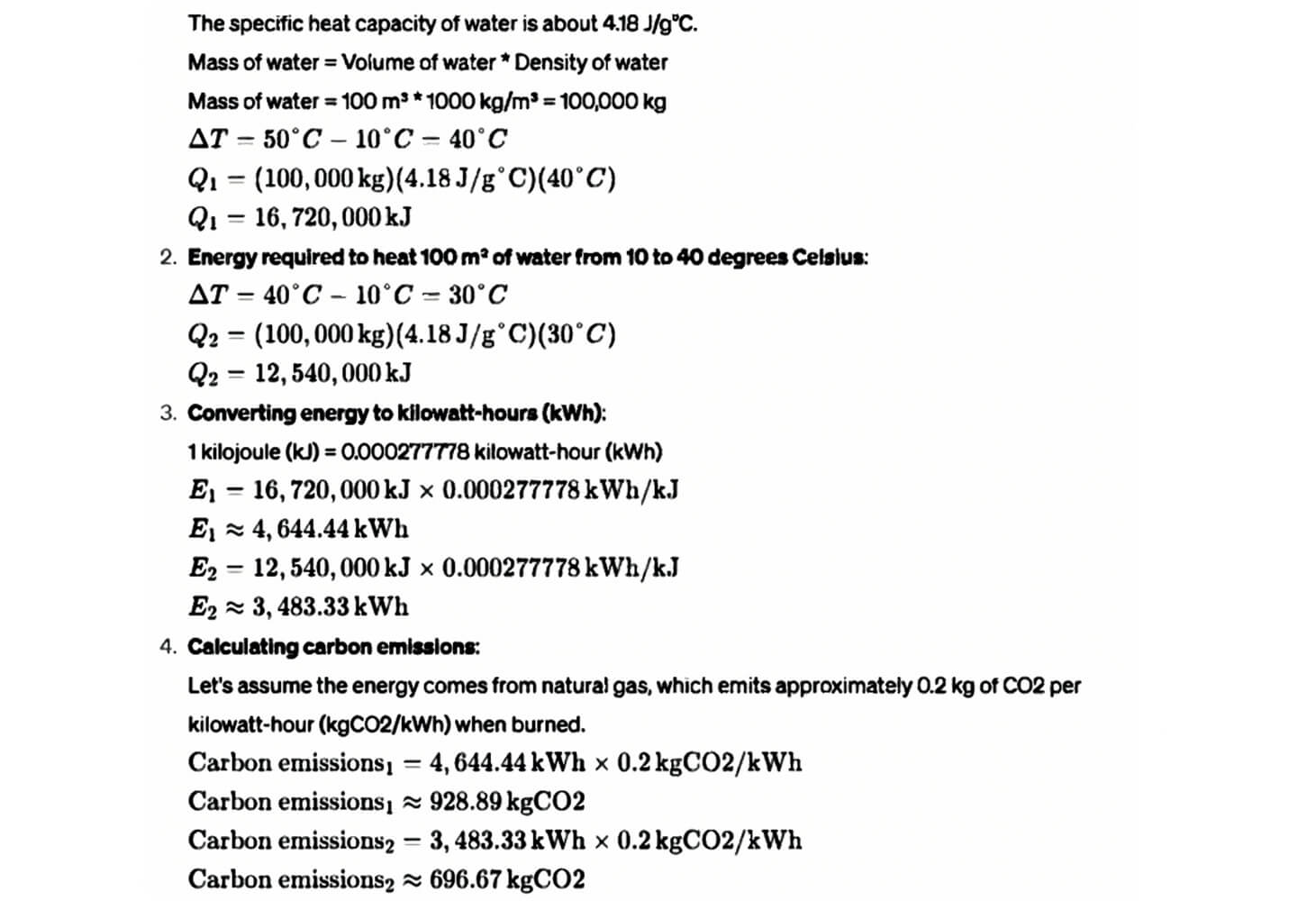
Figure 1 – Savings in CO2 equivalents that can be achieved by reducing the hot water temperatures by 10°C (based on a volume of 100m3) (calculated based on the chemical principles provided by Chaplin, 2007).
1. Pressures to reduce carbon footprint: In the wake of escalating concerns about climate change, there has been mounting pressure on companies to mitigate their carbon footprint. Temperature control systems, particularly those reliant on conventional heating methods, are notorious for their significant contributions to greenhouse gas emissions. As regulatory bodies tighten environmental standards and end users gravitate towards eco-friendly practices, service providers are likely to be compelled to seek alternatives that are more energy-efficient and environmentally sustainable.
For the benefit of this study we calculated the carbon equivalents that are used to heat 100m3 of water from 10°C to 50°C as opposed to 40°C (Figure 1).
Based on the above approximate figures savings of 232.22 kgCO2 can be achieved per 100 m3 of water used.
However, in large settings such as universities or large industrial institutions where more water is consumed, the potential savings in carbon emissions by optimising temperature control strategies can be notably higher.
For example, a university with 20,000 students can potentially use around 2840m3 per day.
Based on the above this will translate to approximate savings of 2407192.52 kgCO2 equivalents per annum.
For companies that generate their electricity using renewable resources this impact might be lower, however, complete reliance on for example solar generator power is unlikely to occur during the winter months.
1. Transition to sustainable methods: To reduce thecarbon footprint we envisage a gradual transition from conventional systems such as calorifiers tomore sustainable ways of heating domestic water services. At present a common current alternative is the use of air heat pumps. These pumps are renowned for their efficiency and eco-friendliness as they utilise renewable energy sources instead of electricity or gas. However, it’s important to note that conventional heat pumps are not typically engineered to achieve temperatures as high as 50°C.
During this study we visited two companies where such pumps are installed and both reported issues in achieving the acceptable hot water temperature for Legionella control.
2. Impact of climate change: Climate change has led to fluctuations in water temperatures in the UK. During the summer months, certain regions can experience a rise in the domestic cold water systems which can exceed 20°C.
This departure from historical norms can present unique and new challenges, particularly concerning temperature control in buildings.
While adjusting hot water temperatures is feasible, regulating the temperature of cold water systems is likely to be more challenging.
Whilst technical know-how will improve over time resulting in more efficient sustainable methods of heating domestic systems, the challenges facing increases in cold water temperature are likely to stay and are much harder to resolve. The average temperature in the UK is predicted to increase by 2°C by 2050 and 4°C by 2100 (EA, 2023) with some extreme high daily temperature as those measured in 2022 during the summer months (Figure 2).
While transitioning to lower hot water temperatures presents numerous environmental benefits, it is imperative to ensure that this transition is conducted safely, maintaining compliance with regulations and adequate Legionella control measures. It is critical to implement the proper safeguards and monitoring protocols to achieve the dual objectives of environmental sustainability without compromising safety and public health protection.
Research objective
As indicated earlier this study seeks to understand the water treatment industry perspective on transitioning towards sustainable hot water heating systems, with a focus on using biocides as an alternative to temperature control to minimise energy consumption and carbon footprint, while ensuring compliance with regulatory standards and achieving good Legionella control.
24 water treatment companies took part in this study and the majority provided services for both the industrial and domestic sectors. The survey followed approved qualitative research principles and all ethical guidelines (Charmaz, 2006; Strauss, 2008).
Results from the survey
Awareness regarding alternative methods of control
Our initial interest was to gauge the extent of understanding and awareness regarding alternative methods to temperature control that can be used to control the proliferation of Legionella in domestic systems. Our findings reveal an interesting trend: more than 85 per cent of surveyed companies understand the effectiveness of biocides in reducing the risk of Legionella growth in both hot and cold-water domestic systems. However, there exists a noticeable discrepancy between awareness and implementation. Despite this high level of understanding, a considerably smaller percentage of companies are presently employing biocides for treating domestic services. Figure 3 clearly illustrates this divide: while over than 85 per cent of companies acknowledge the effectiveness of biocide treatment in controlling Legionella growth, a substantial portion within this group (52 per cent) have yet to integrate biocide usage into their operational practices on customer sites.
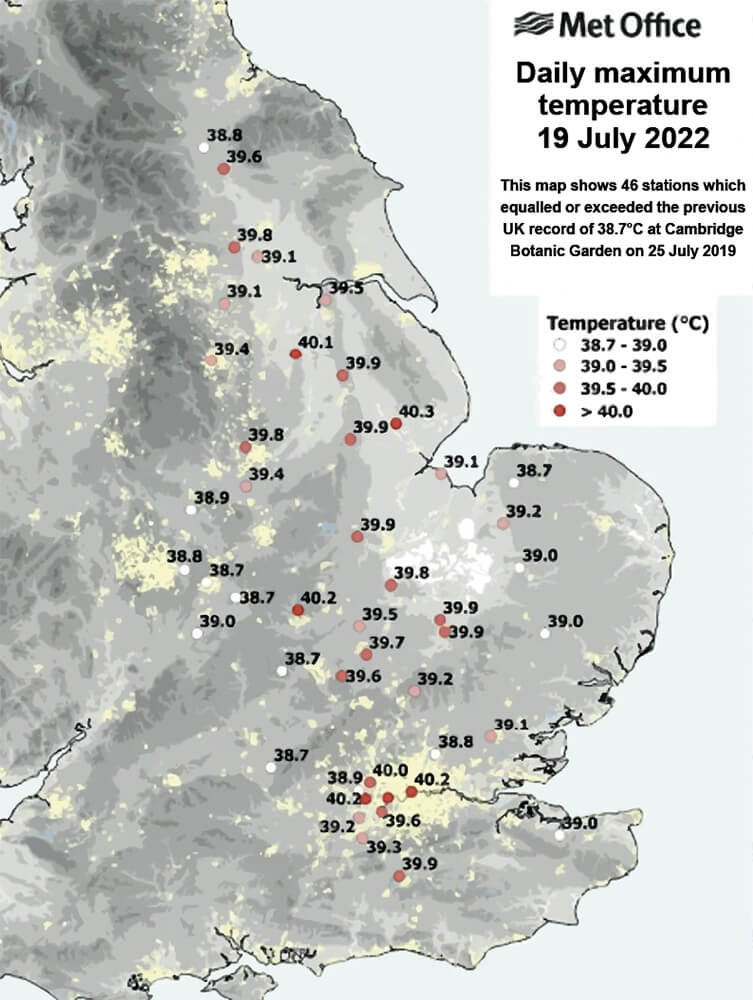
Figure 2 – Met office data showing areas where temperatures exceeded 2019 figures (Mike Kendon, 2022).
This disparity emphasises a significant gap between knowledge and action within the industry, indicating the necessity for further investigation into the factors hindering the adoption of biocide treatments despite widespread acknowledgment of their effectiveness.
Factors limiting biocide treatment
The following factors emerged as the primary contributors to the low usage of biocides (Figure 4):
1. The largest group (41.7 per cent) indicated that they are achieving satisfactory Legionella results with their current treatment and thus perceives no need to seek an alternative to temperature control methods.
2. Concerns about adding chemicals to water, especially when it’s intended for domestic purposes, lead to reservations regarding biocide usage.
3. Some respondents cite a lack of awareness regarding the effectiveness of biocides as a reason for their low usage.
4. Health and safety concerns also play a significant role in the decision-making process, and some companies expressed concerns about potential risks associated with biocide usage.
5. The possibility of issues arising from incorrect chemical dosing presents a perceived risk, further contributing to the hesitancy surrounding biocide usage.
6. Some companies indicated their concern should overdosing occur in drinking water and the impact this might have on the company’s reputation and potential legal and financial consequences.
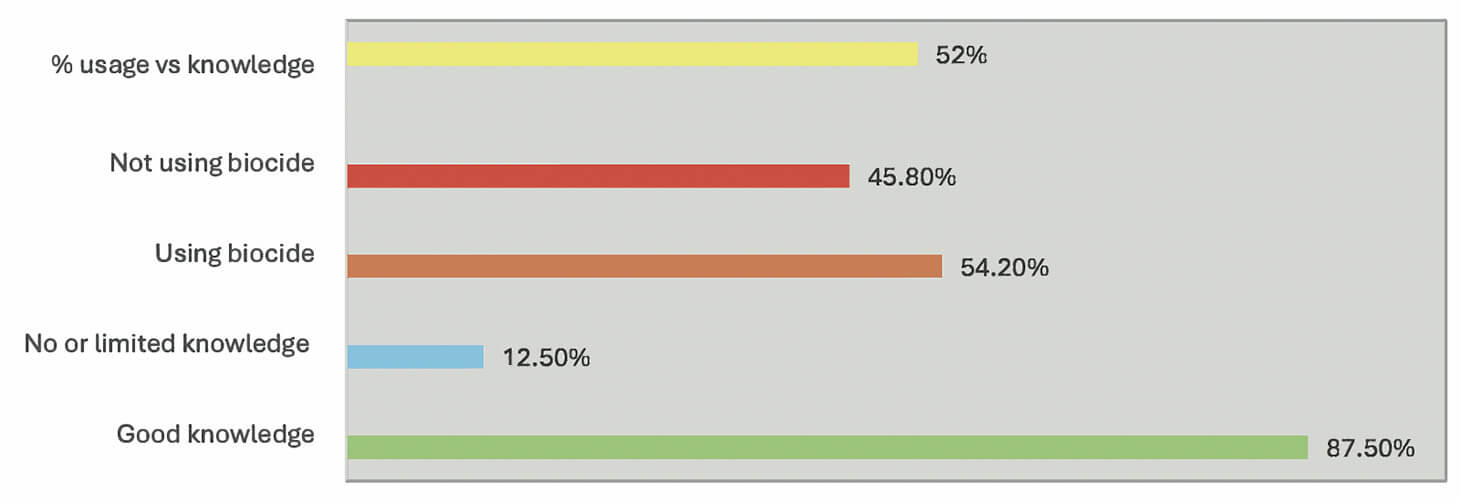
Figure 3 – Knowledge versus usage of biocides.
Feedback from those using biocides
Among those utilising biocide treatment in their domestic services, a substantial 76 per cent expressed satisfaction with the outcomes, reporting noticeable improvement in Legionella control post-introduction of biocides. 24 per cent expressed dissatisfaction but were unable to provide data regarding specific systems or factors that might have potentially impacted on the biocide performance.
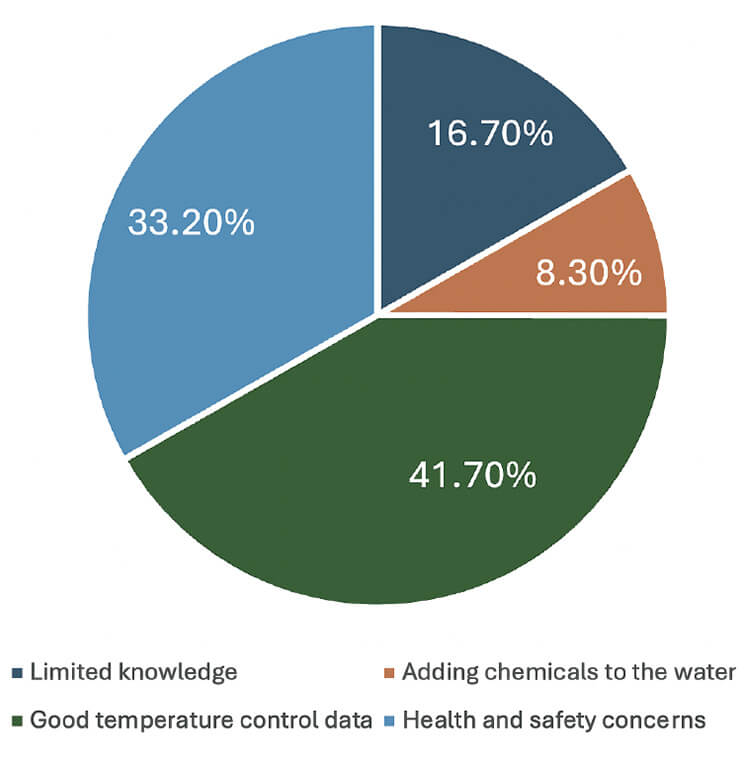
Figure 4 – Limiting factors contributing to lower than expected biocide usage in domestic systems.
It’s noteworthy that only half of the companies employing biocidal treatment expressed confidence or willingness to lowering the hot water temperatures to below 50oC, citing the following reasons:
1. The decision is often taken by the customer and not the water treatment company, this is especially important as investment is often needed to install chemical treatment.
2. Some participants referred to HSG274 and were unaware of the option to deviate from temperature control. This group felt that based on the current official advice chemical treatment such as chlorine dioxide (ClO2) can supplement temperature control but can’t replace it. There was also fear amongst this group that departing from HSG274 will increase Legionella risk and therefore any energy cost benefits or positive environmental impacts are outweighed.
3. Some participants reported limited knowledge and access to suitable equipment to use biocides safely and adequately, especially in drinking water applications.
4. There were some concerns regarding the effectiveness of the biocides in areas where the water is not frequently used and there is no flushing in place. Indicating another misinterpretation of the guideline.
5. Concerns regarding the maintenance of dosing equipment and the consequences of chemical depletion or over and under dosing of the chemicals were also voiced.
6. There were concerns regarding anticipated additional testing requirements which may necessitate more site visits. In addition to direct additional costs these can potentially undermine environmental benefits gained from temperature reduction.
7. The impact that chemical additions can have on the distribution pipework, particularly those susceptible to corrosion if oxidising biocides are used.
Stakeholders analysis
The data was used to characterise the different groups that can potentially impact on the transition from temperature to biocide control. The classification followed Freeman’s approach which divides the stakeholders to 4 different categories (Freeman, 1984, 2010, 2012):
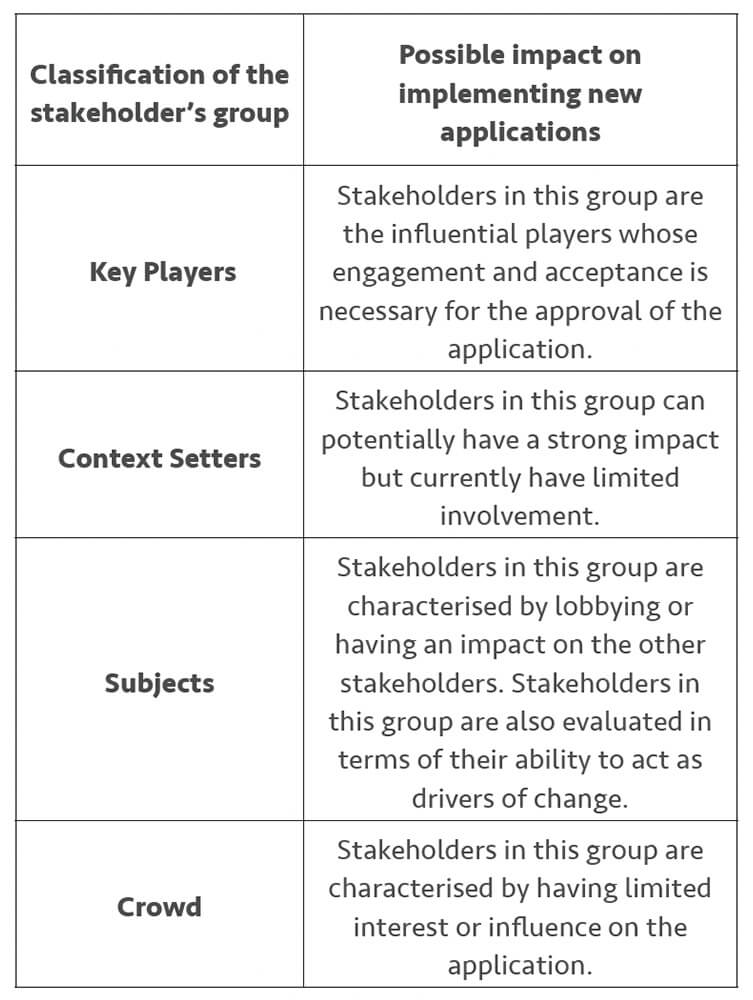
Based on the qualitative data the following emerged (Figure 5).
The stakeholder analysis presented is crucial for guiding future efforts aimed at transitioning from temperature to biocide control. Here’s how each stakeholder group can potentially impact on the implementation:
Key Players and Context Setters:
The support of the HSE and guidance from the water treatment sector and advisory bodies are essential for obtaining approvals from the customers’ sites and driving adaptation. Collaborating with regulatory agencies ensures that any changes are aligned with regulatory requirements, while involvement from industry partners ensures the relevance and applicability of the application followed by introducing change at the customers’ sites.
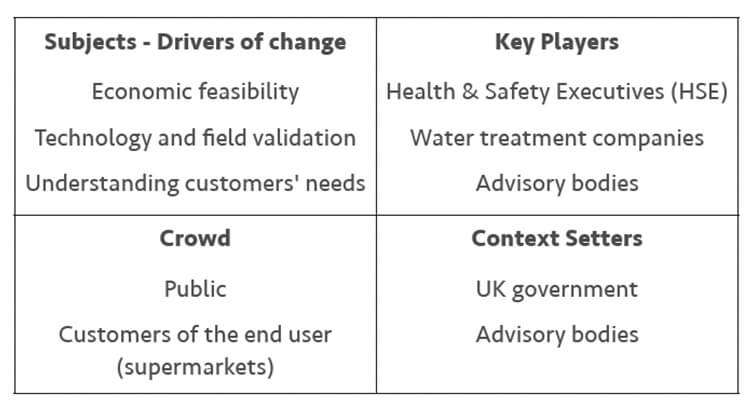
Figure 5 – Stakeholder analysis
The endorsement of the key players and the context setters can enhance the visibility and acceptance within the water treatment sector and any applications associated with the change.
Subjects:
Economic feasibility and the reliability of equipment used to dose the biocide can have a significant impact on the transition and the acceptance of the end user. Understanding the end users’ concerns and needs is crucial for the success of the transition. Their involvement can enhance the relevance of the transition and can facilitate the implementation of actionable solutions.
Crowd:
Stakeholders in this group can have an indirect impact on change. Any potential concerns can impact on acceptance and funding priorities related to the change.
Findings and discussion
The findings highlight a significant gap between awareness and implementation regarding the use of biocides for Legionella control in domestic water systems.
While a majority of companies acknowledge the effectiveness of biocide treatment, a substantial portion still does not utilise them as an alternative to temperature control. Factors contributing to this include satisfaction with current temperature treatment methods, concerns about chemical additives in drinking water, apprehensions about biocide efficacy, equipment maintenance and additional testing requirements. Moreover, it is evident that a percentage of companies are unaware that using biocides as an alternative to temperature control is mentioned as an alternative control method in HSG274, 2014.
Overall, the study highlights the complexity and multifaceted nature of decision-making surrounding Legionella control strategies in domestic water systems.
We know that transitioning away from temperature control towards biocide treatment presents opportunities for reducing energy consumption, carbon emissions, and in certain applications can improve Legionella control, but more is still needed for this to be acceptable by the majority of stakeholders. In our view collaborative efforts are needed between the UK regulators, researchers and industry stakeholders before we can see a widespread and smoother transition to biocide control.
Future input is required by all stakeholders to address the main seven barriers that emerged from this study. Some of these can be simply resolved by raising awareness and providing clearer guidance but there is also a need to improve the technical know-how of water treatment consultants. Further investment is also needed to improve the perception and reliability of the dosing equipment, without which a widespread implementation process will be very challenging.
References
Charmaz, K. (2006). “Constructing Grounded Theory: A practical guide through qualitative analysis”. London: Sage.
Corbin, J., A. Strauss, et al. (2008). Basics of qualitative research: Techniques and procedures for developing grounded theory. California: Sage
Environment Agency ( 2023). Climate Change: Risk assessment and adaptation planning in your management system.
Freeman, R.E et al (2012). “Stakeholder Theory(ies): Ethical Ideas and Managerial Action”. Journal of Business Ethics 109:1-2
Freeman, R.E. et al (2010). Stakeholder Theory : The State of the Art. Cambridge University Press. Cambridge.
Freeman,R. E. (1984). Strategic Management: A stakeholder Approach. Pitman, Boston.
HSG274, 2014. Legionnaires’ disease Part 2: The control of Legionella bacteria in hot and cold water systems.
Martin Chaplin (2007). The specific heat capacity of water – water a comprehensive treatise
Mike Kendon (2022). Unprecedented extreme heatwave – July 2022. Met Office National Climate information Centre.